Balance Hormones Naturally
Try doing these simple life affirming changes to repair your endocrine system. Get pregnant and have the life you dreamed of without taking drugs!
Bex Martinovich
9/14/202422 min read


Hormonal Imbalance
Root Cause of Hormonal Imbalance is Stress.
Toxic Standard American Diet is one of the many causes of hormonal imbalance and the very first thing you need to change if you plan on conceiving a healthy child or having a happy balanced hormonal system.
We will dive into dietary toxins and effects upon the hormones in this section and visit other forms of chemical stress later on.
Dietary Food Additives
Sodium nitrate: Added to processed meats to stop bacterial growth. Linked to cancer in humans. (Worst Offender)
Sulfites: Used to keep prepared foods fresh. Can cause breathing difficulties in those sensitive to the ingredient.
Azodicarbonamide: Used in bagels and buns. Can cause asthma.
Potassium bromate: Added to breads to increase volume. Linked to cancer in humans.
Propyl gallate: Added to fat-containing products. Linked to cancer in humans
BHA/BHT: A fat preservative, used in foods to extend shelf life. Linked to cancerous tumor growth.
Propylene glycol: Better known as antifreeze. Thickens dairy products and salad dressing. Deemed ‘generally’ safe by FDA.
Butane: Put in chicken nuggets to keep them tasting fresh. A known carcinogen.
Monosodium glutamate (MSG): Flavor enhancer that can cause headaches. Linked in animal studies to nerve damage, heart problems and seizures.
Disodium inosinate: In snack foods. Contains MSG.
Disodium guanylate: Also used in snack foods, and contains MSG.
Enriched flour: Used in many snack foods. A refined starch that is made from toxic ingredients.
Recombinant Bovine Growth Hormone (rBGH): Genetically-engineered version of natural growth hormone in cows. Boosts milk production in cows. Contains high levels of IGF-1, which is thought cause various types of cancer.
Refined vegetable oil: Includes soybean oil, corn oil, safflower oil, canola oil, and peanut oil. High in omega-6 fats, which are thought to cause heart disease and cancer.
Sodium benzoate: Used as a preservative in salad dressing and carbonated beverages. A known carcinogen and may cause damage our DNA.
Brominated vegetable oil: Keeps flavor oils in soft drinks suspended. Bromate is a poison and can cause organ damage and birth defects. Not required to be listed on food labels.
Propyl gallate: Found in meats, popcorn, soup mixes and frozen dinners. Shown to cause cancer in rats. Banned in some countries. Deemed safe by FDA.
Olestra: Fat-like substance that is unabsorbed by the body. Used in place of natural fats in some snack foods. Can cause digestive problems, and also not healthy for the heart.
Carrageenan: Stabilizer and thickening agent used in many prepared foods. Can cause ulcers and cancer.
Polysorbate 60: A thickener that is used in baked goods. Can cause cancer in laboratory animals.
Camauba wax: Used in chewing gums and to glaze certain foods. Can cause cancer and tumors.
Magnesium sulphate: Used in tofu, and can cause cancer in laboratory animals.
Chlorine dioxide: Used in bleaching flour. Can cause tumors and hyperactivity in children.
Paraben: Used to stop mold and yeast forming in foods. Can disrupt hormones in the body, and could be linked to breast cancer.
Sodium carboxymethyl cellulose: Used as a thickener in salad dressings. Could cause cancer in high quantities.
Aluminum: A preservative in some packaged foods that can cause cancer.
Artificial Sweeteners
Artificial sweeteners are regulated by FDA, just as food additives are, but this does not apply to products ‘generally recognized as safe.
Saccharin: Carcinogen found to cause bladder cancer in rats. (Worst Offender)
Aspartame: An excitotoxin and thought to be a carcinogen. Can cause dizziness, headaches, blurred vision and stomach problems.
High fructose corn syrup: Sweetener made from corn starch. Made from genetically-modified corn. Causes obesity, diabetes, heart problems, arthritis and insulin resistance.
Acesulfame potassium: Used with other artificial sweeteners in diet sodas and ice cream. Linked to lung and breast tumors in rats.
Sucralose: Splenda. Can cause swelling of liver and kidneys and a shrinkage of the thymus gland.
Agave nectar: Sweetener derived from a cactus. Contains high levels of fructose, which causes insulin resistance, liver disease and inflammation of body tissues.
Bleached starch: Can be used in many dairy products. Thought to be related to asthma and skin irritations.
Tert butylhydroquinone: Used to preserve fish products. Could cause stomach tumors at high doses.
Artificial Food Colorings
Food colorings are used to give foods a more attractive appearance, but some experts believe they cause serious health problems, including asthma and hyperactivity in children.
Red #40: Found in many foods to alter color. All modern food dyes are derived from petroleum. A carcinogen that is linked to cancer in some studies. Also can cause hyperactivity in children. Banned in some European countries. (Worst Offender)
Blue #1: Used in bakery products, candy and soft drinks. Can damage chromosomes and lead to cancer.
Blue #2: Used in candy and pet food beverages. Can cause brain tumors
Citrus red #1: Sprayed on oranges to make them look ripe. Can damage chromosomes and lead to cancer.
Citrus red #2: Used to color oranges. Can cause cancer if you eat the peel.
Green #3: Used in candy and beverages. May cause bladder tumors.
Yellow #5: Used in desserts, candy and baked goods. Thought to cause kidney tumors, according to some studies.
Yellow #6: A carcinogen used in sausage, beverages and baked goods. Thought to cause kidney tumors, according to some studies.
Red #2: A food coloring that may cause both asthma and cancer.
Red #3: A carcinogen. that is added to cherry pie filling, ice cream and baked goods. May cause nerve damage and thyroid cancer.
Caramel coloring: In soft drinks, sauces, pastries and breads. When made with ammonia, it can cause cancer in mice. Food companies not required to disclose if this ingredient is made with ammonia.
Brown HT: Used in many packaged foods. Can cause hyperactivity in children, asthma and cancer.
Orange B: A food dye that is used in hot dog and sausage casings. High doses are bad for the liver and bile duct.
Bixin: Food coloring that can cause hyperactivity in children and asthma.
Norbixin: Food coloring that can cause hyperactivity in children and asthma.
Annatto: Food coloring that can cause hyperactivity in children and asthma.
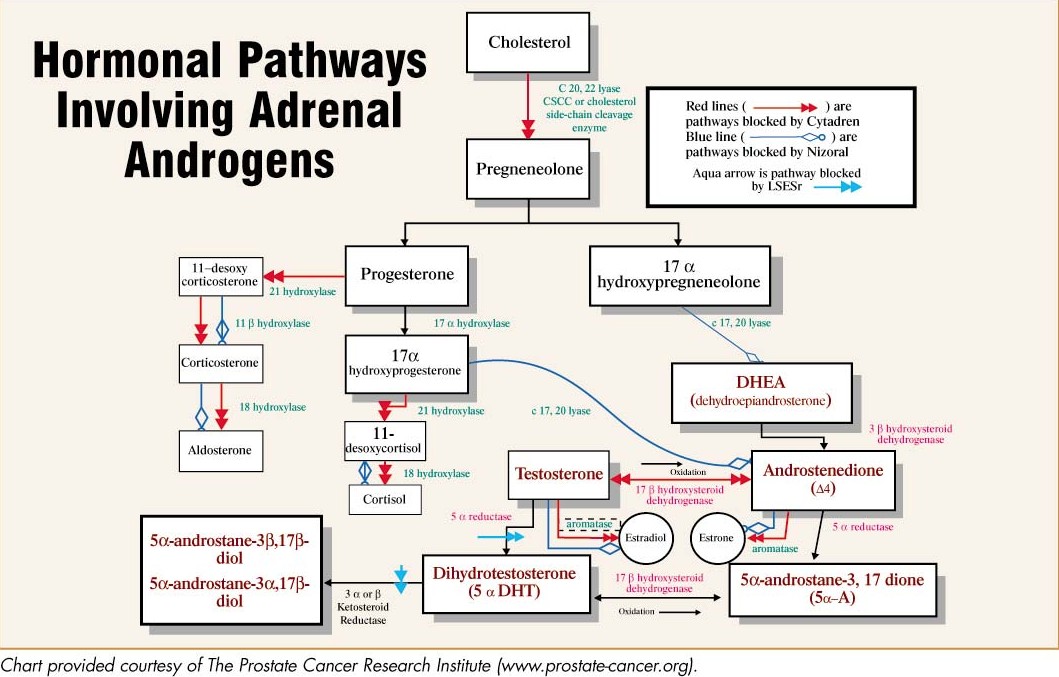
Understanding Hormonal Imbalance.
The detailed image above paints a very fascinating picture into how stress in general terms causes hormonal imbalance.
We will just look at the effect of stress at this time and go over the many form of stress in later blogs.
Understanding the intricate relationship between stress perception and hormonal balance is crucial, particularly when it comes to progesterone levels. High stress perception activates the hypothalamic–pituitary–adrenal (HPA) axis, leading to a cascade of hormonal responses that can significantly impact our health. When stress strikes, the body releases corticotropin-releasing hormone (CRH), followed by adrenocorticotropic hormone (ACTH), ultimately resulting in elevated cortisol levels—the primary glucocorticoid in humans.
This is where the concept of “pregnenolone steal” comes into play. Pregnenolone serves as a precursor for various steroid hormones, including progesterone and cortisol. Under conditions of high stress, the body prioritizes cortisol production to manage immediate threats, which can lead to a depletion of pregnenolone available for synthesizing other hormones like progesterone. This diversion not only compromises progesterone production but also highlights how chronic stress can exacerbate hormonal imbalances.
The implications are clear: if we want to maintain healthy progesterone levels and support overall well-being, it’s essential to address high stress perception actively. That does not mean immediately rushing into administering BHRT, it means removing the source of stress and rebalancing this delicate system. Too much cortisol and long term fight or flight can suppress the Thyroid from converting T4 into T3.
The following are the bodily effects of the cortisol-thyroid interaction:
Effects on thyroid hormone conversion: Cortisol may influence the conversion of inactive thyroid hormone T4 to the metabolically active form of T3 in peripheral tissues. Cortisol may affect the activity of enzyme 5’-deiodinase which is the enzyme that converts T4 to T3. As a result, there might be less availability of metabolically active hormones to be used by cells.
Thyroid regulation through the HPT axis: Cortisol may affect the activity of thyroid hormones in the HPT axis. It might influence the release of thyrotropin-stimulating hormone (TSH) from the pituitary gland, thereby affecting the stimulation of the thyroid gland to produce thyroid hormones.
Acute stress response and thyroid regulation: Acute stress may temporarily influence thyroid function and thyroid hormone levels. As discussed earlier, during times of acute stress cortisol will prioritize energy toward essential functions, and away from non-essential functions including thyroid hormone production.
Chronic stress and thyroid regulation: Chronic stress can affect the HPA axis and the balance of cortisol secretion. Chronic elevations of cortisol may be seen in mood and adrenal function concerns. Chronic disruptions in thyroid function may contribute to conditions such as hypothyroidism (or a metabolically under-active thyroid) or hyperthyroidism (or a metabolically over-active thyroid gland).
Impact on thyroid autoimmunity: Cortisol’s effects on the immune system may influence the immune response to thyroid antigens. This can contribute to the progression of autoimmune concerns such as Grave’s disease and Hashimoto’s disease. The results of this study suggest stressful life events may be a factor in the onset of Grave’s disease.
By managing stress through mindfulness techniques, exercise, and animal based diets free of plant toxins, we can help safeguard our hormonal health and prevent the detrimental effects of chronic cortisol elevation on our bodies. Understanding this connection empowers us to take proactive steps towards better health outcomes in an increasingly stressful world.
I have an entire program on stress in my dietary change programs as this is the precursor to all chronic illness and disharmony, and it is essential to know this so you can heal your body and look forward to a happy and healthy pregnancy.
BHRT Safe Natural and Effective Hormone Replacement.
The Decline of Hormones: The Far-Reaching Consequences of Very Low Estrogen, Progesterone, and Testosterone. I will break female and male down in separate sections.
Female System: After menopause, a woman’s primary sources of estrogen and progesterone essentially shut down, while testosterone—already produced in smaller amounts—continues its gradual decline. These three hormones, once abundant, now exist at very low levels that reshape nearly every system in the body. Estrogen no longer protects and rebuilds; progesterone no longer calms and balances; testosterone no longer sustains drive, strength, and vitality. The result is a cascade of side effects and ill-health outcomes that unfold over years, often silently at first, then unmistakably. Effects on Bones: Estrogen is the master regulator that slows bone breakdown and supports ongoing repair. When its levels plummet, osteoclasts (bone-resorbing cells) become overactive while osteoblasts (bone-building cells) slow down. In the first five to ten years after menopause, women can lose 15–25% of bone density, far faster than the natural aging process.
Progesterone and testosterone also contribute to bone formation and maintenance; their absence compounds the loss.
● Rapid progression to osteopenia and osteoporosis
● Dramatically higher risk of fractures—especially hip, vertebral, and wrist fractures
● Brittle, porous bones that break from minor falls or even everyday movements
● Chronic pain from micro-fractures and vertebral compression Effects on Ligaments, Tendons, Joints, and Connective Tissue Estrogen maintains collagen content, elasticity, and lubrication in ligaments, tendons, cartilage, and joint linings. Very low estrogen reduces collagen synthesis and alters the mechanical properties of these tissues, making them stiffer yet more prone to injury. Progesterone and testosterone support muscle-tendon units and overall tissue resilience.
● Musculoskeletal syndrome of menopause: widespread joint pain, stiffness, and achiness (especially hands, knees, shoulders, and hips)
● Increased tendon and ligament stiffness combined with reduced shock absorption
● Higher risk of sprains, strains, tears, and overuse injuries—even in previously active women
● Accelerated cartilage breakdown leading to osteoarthritis
● Pelvic floor ligament weakening, contributing to prolapse and pelvic instability.
Reduced joint lubrication and increased inflammation, turning simple movements into sources of chronic discomfort.
Effects on the Mind, Mood, and Cognitive Function.
Estrogen receptors are densely packed throughout the brain, particularly in areas governing memory, mood, and executive function. It modulates serotonin, dopamine, and neuroplasticity. Progesterone’s metabolites act as natural calmatives via GABA pathways, while testosterone fuels motivation, focus, and emotional resilience. When all three drop to very low levels, the brain loses its primary hormonal support network.
● Brain fog: difficulty concentrating, mental fatigue, word-finding problems
● Memory lapses, especially verbal and working memory
● Heightened anxiety, irritability, and mood swings
● Increased risk of depression and dysphoric mood
● Disrupted sleep architecture (insomnia, frequent waking), which further impairs cognition
● Long-term elevated risk of cognitive decline and neurodegenerative conditions such as Alzheimer’s and vascular dementia Effects on Weight, Body Composition, and Metabolism Estrogen directs fat storage away from the abdomen and helps maintain insulin sensitivity. Testosterone builds and preserves lean muscle, which drives resting metabolic rate. Progesterone influences fluid balance and appetite regulation. With all three hormones critically low:
● Shift to central (visceral) fat accumulation—“menopause belly”
● Loss of muscle mass (sarcopenia), which slows metabolism further
● Weight gain that is harder to lose despite unchanged diet and exercise
● Increased insulin resistance and higher risk of type 2 diabetes
● Altered fat-to-muscle ratio that perpetuates fatigue and reduces physical capacity.
Additional Widespread Ill-Health Consequences.
The absence of these hormones ripples through every system:
● Cardiovascular system: Loss of estrogen’s vasodilatory and cholesterol-balancing effects leads to stiffer arteries, unfavorable lipid changes, and sharply elevated risk of heart disease and stroke—equalizing women’s risk with men’s by age 60–65.
Urogenital and sexual health: Vaginal and urethral tissues thin and dry (genitourinary syndrome of menopause), causing painful intercourse, reduced arousal and lubrication, frequent urinary tract infections, urgency, and incontinence. Low testosterone intensifies loss of libido, sexual satisfaction, and orgasmic capacity.
● Skin and hair: Thinning, drier skin with accelerated wrinkling and loss of elasticity; hair becomes finer, drier, and prone to shedding.
● Energy and vitality: Profound fatigue, reduced stamina, and a pervasive sense of low drive that is not relieved by rest.
● Sleep: Night sweats, fragmented sleep, and insomnia from combined estrogen and progesterone withdrawal.
● Muscles: Accelerated muscle loss and weakness, compounding bone and joint problems and increasing fall risk. ● Overall resilience: Heightened systemic inflammation, slower recovery from illness or injury, and reduced quality of life. When estrogen, progesterone, and testosterone reach very low postmenopausal levels, the body loses its primary hormonal scaffolding. Bones weaken, connective tissues stiffen and inflame, the mind clouds and saddens, weight redistributes unfavorably, and every system feels the strain. These changes are not inevitable “aging” in the abstract sense—they are the direct, measurable consequences of sustained hormone deficiency. Understanding them through the lens of female hormones reveals why the postmenopausal years can feel like an entirely new physiological landscape, one shaped by the quiet but profound absence of the very molecules that once orchestrated vitality.
Bioidentical Hormone Replacement Therapy (BHRT) Bioidentical hormone replacement therapy (BHRT) uses hormones that are molecularly identical to those in the human body. By replenishing estrogen, progesterone, and testosterone, BHRT allows these hormones to resume their protective and balancing roles, often bringing noticeable relief and reversal of many postmenopausal changes. Common delivery methods include:
● Cream-based formulations: Applied daily to the skin (typically inner arms, thighs, or wrists), these transdermal creams and gels deliver steady absorption directly into the bloodstream, bypassing much of the liver’s first-pass metabolism. They are frequently used for estradiol, progesterone, and low-dose testosterone, providing flexible dosing and localized or systemic effects.
● Troches: Small, flavored lozenges or sublingual tablets dissolved under the tongue or against the cheek. This route offers convenient, rapid absorption and is especially useful for progesterone (to support sleep and mood) and combined hormone blends, with minimal digestive processing. ( I recommend these for easy and effective of use over all the other types).
● Injections: Compounded or pharmaceutical testosterone injections (usually administered weekly or bi-weekly) deliver consistent, potent levels of this hormone. They are highly effective for systemic benefits and can be precisely titrated for women needing targeted support.
When these hormones are restored through BHRT:
● Bones: Estrogen and testosterone slow bone resorption and support new bone formation, helping stabilize or even improve bone density and significantly lowering fracture risk over time.
● Ligaments, joints, and connective tissue: Renewed collagen production restores elasticity and lubrication, often reducing stiffness, joint pain, and injury susceptibility while easing musculoskeletal discomfort.
● Mind and mood: Estrogen and progesterone stabilize neurotransmitters and promote restorative sleep; testosterone enhances motivation and clarity. Many women experience sharper focus, lifted mood, reduced anxiety or depression, and diminished brain fog.
● Weight and metabolism: Hormones help shift fat distribution away from the abdomen, preserve or rebuild lean muscle, and improve insulin sensitivity—supporting easier weight management and higher energy expenditure.
● Broader benefits: Hot flashes and night sweats often diminish or disappear; vaginal tissues regain moisture and elasticity, easing discomfort and urinary symptoms; libido, arousal, and sexual satisfaction return; skin and hair regain vitality; cardiovascular protective effects (when initiated at appropriate timing) may help maintain healthier vessels and lipid profiles; overall energy, stamina, and sense of well-being improve markedly. Through these bioidentical forms—creams, troches, and injections—the female hormones can once again conduct the body’s orchestra with greater harmony, helping many women reclaim comfort, strength, and vitality in the years beyond menopause.
When Overwhelming Stress and Illness Overpower the body Role of BHRT Chronic or intense stress—whether emotional, physical, or stemming from serious illness—can ravage the female hormonal system with extraordinary thoroughness. The hypothalamus and pituitary, which orchestrate the release of estrogen, progesterone, and testosterone, become dysregulated under prolonged cortisol surges and inflammatory signals. In severe cases such as cancer and its treatments, chronic Lyme disease, mold exposure, or other major toxic or infectious burdens, the damage extends deep: mitochondrial impairment, adrenal exhaustion, scarred or depleted ovarian remnants, and disrupted signaling pathways leave lasting scars. Even when a woman supports healing through every available means—including a carnivore diet that reduces inflammation, supplies dense nutrients, and aids tissue repair—some systems may recover only partially. The endocrine axis, once pushed beyond its resilience, does not always return to full, independent capacity. Hormone production can remain too low to sustain safe, optimal function, leaving the body in a state of ongoing deficiency despite best efforts. This is precisely why bioidentical hormone replacement therapy becomes a reasoned option: it supplies the very molecules the damaged system can no longer manufacture in sufficient quantities, allowing the female hormones to resume their essential work without forcing an already compromised body to struggle alone. Many women have been frightened away from BHRT by the warning that “if you take these hormones, your brain will stop making them altogether.” In the postmenopausal context, especially after major stress or illness, this concern is largely misplaced. After natural menopause, ovarian output is already minimal; the brain’s signals (elevated FSH and LH) are frantically trying to stimulate ovaries that no longer respond robustly. Adding bioidentical hormones provides negative feedback that quiets those overactive signals to more normal ranges, but it does not shut down meaningful natural production—because that production has already largely ceased. The brain is not “told to stop working”; it is simply no longer sending futile commands to unresponsive glands. Full, independent recovery of the entire hormonal system is sometimes possible after milder stress with time, rest, and optimal support. However, when damage is extensive—whether from chemotherapy, radiation, persistent infections like Lyme, or chronic mold toxicity—the body may never regain the capacity to produce and regulate these hormones at safe, youthful levels on its own. In those situations, the hormonal landscape remains permanently altered, and the female hormones require ongoing external support to keep bones strong, joints supple, the mind clear, metabolism balanced, and vitality intact. BHRT does not prevent any residual healing; it simply steps in where nature, even with the best diet and lifestyle, can no longer fully bridge the gap.
The Old Dangers of Synthetic Hormone Replacement Therapy (HRT) – Understanding the Difference.
In the early 2000s, the landmark Women’s Health Initiative (WHI) study dramatically shifted perceptions of hormone replacement therapy. It examined specific synthetic or animal-derived formulations: conjugated equine estrogens (CEE, from pregnant mare urine, branded as Premarin) combined with medroxyprogesterone acetate (MPA, a synthetic progestin, branded as Provera or in Prempro). The WHI found increased risks with this combined synthetic regimen (in women with an intact uterus):
● About 26–29% higher risk of invasive breast cancer during use
● 29% increase in heart attacks
● 41% increase in strokes
● Doubling of venous thromboembolism (blood clots, including pulmonary embolism) These findings led to a sharp drop in prescriptions for synthetic HRT and widespread fear around hormone therapy in general. Estrogen-alone (CEE only, in women post-hysterectomy) showed no increased breast cancer risk and even some reduction in certain analyses, but the combined synthetic version drove much of the controversy. Key issues with these older synthetic approaches:
● Non-bioidentical structure: CEE is a mix of equine estrogens (not identical to human estradiol), and MPA is a synthetic progestin that differs from human progesterone in metabolism and effects on breast tissue, blood vessels, and clotting factors.
● Progestin-specific risks: Synthetic progestins like MPA were linked to higher breast cell proliferation and unfavorable cardiovascular/inflammatory effects compared to bioidentical progesterone.
● Oral route and first-pass liver effects: Many synthetics were oral, leading to greater liver metabolism changes (e.g., increased clotting factors) versus transdermal or other routes.
One-size-fits-all dosing: Fixed doses ignored individual needs, potentially amplifying side effects.
Bioidentical hormone replacement therapy (BHRT)—using estradiol, progesterone, and testosterone molecularly identical to the body’s own—aims to avoid these structural and metabolic differences. Emerging data and clinical experience suggest bioidenticals (especially transdermal estradiol and micronized progesterone) may carry a more favorable profile for breast tissue, cardiovascular health, and tolerability when properly dosed and monitored.
When a mainstream MD suggests “HRT,” they may default to older synthetic protocols or FDA-approved versions that still use non-bioidentical components.
Asking about bioidentical estradiol + micronized progesterone (often transdermal or oral micronized) versus synthetic CEE/MPA combinations helps clarify what you will be getting.
MALE HORMONES
Male System The Decline of Male Hormones: The Far-Reaching Consequences of Very Low Testosterone in Andropause (Late-Onset Hypogonadism) In men, andropause refers to the gradual, age-related decline in testosterone production, often beginning in the mid-30s to 40s and accelerating with time, stress, illness, or lifestyle factors. Unlike the relatively abrupt drop in female hormones during menopause, testosterone falls slowly—typically 1–2% per year—making the changes insidious and easy to attribute to “just getting older.” When levels become very low, however, the body loses its primary hormonal driver for strength, vitality, metabolism, mood, and protection across multiple systems. The result is a progressive cascade of ill-health effects that can profoundly diminish quality of life. Effects on Bones Testosterone supports bone formation by stimulating osteoblasts and inhibiting excessive resorption. Very low levels tip the balance toward accelerated bone loss.
● Rapid progression to osteopenia and osteoporosis
● Significantly higher risk of fragility fractures (hip, vertebral, wrist)
● Vertebral compression leading to height loss and chronic back pain
● Increased vulnerability to breaks from minor trauma Effects on Ligaments, Tendons, Joints, and Connective Tissue Testosterone promotes collagen synthesis, muscle support around joints, and tissue resilience. Deficiency leads to:
● Widespread joint stiffness, achiness, and musculoskeletal pain (shoulders, knees, lower back, hands) .
Reduced tendon and ligament elasticity and strength, raising risk of sprains, strains, and tears
● Faster cartilage degradation and progression of osteoarthritis
● Muscle weakness around joints, contributing to instability and higher fall risk
● Slower recovery from soft-tissue injuries
Effects on the Mind, Mood, and Cognitive Function Testosterone receptors are abundant in brain regions governing motivation, mood, memory, and executive function. It influences dopamine pathways, neuroprotection, and cognitive resilience. Very low levels result in:
● Brain fog: poor concentration, mental fatigue, difficulty with word-finding and decision-making
● Memory impairment, especially working memory and recall
● Increased irritability, anxiety, and mood instability
● Higher rates of depression and low motivation (“andropausal blues”)
● Disrupted sleep (insomnia, poor sleep quality), further worsening cognition
● Potential long-term contribution to accelerated cognitive decline Effects on Weight, Body Composition, and Metabolism Testosterone is anabolic: it builds and preserves lean muscle mass (which drives resting metabolic rate) and helps direct fat away from the abdomen. Low levels cause:
● Loss of muscle mass (sarcopenia) and reduced strength
● Shift to central/visceral fat accumulation (“spare tire” or abdominal obesity)
● Weight gain that resists diet and exercise efforts
● Worsened insulin resistance and elevated risk of type 2 diabetes and metabolic syndrome
● Vicious cycle: lower muscle → slower metabolism → more fat gain → further testosterone suppression.
Additional Widespread Ill-Health Consequences The deficiency ripples through every major system:
Cardiovascular system: Loss of testosterone’s vasodilatory, anti-inflammatory, and lipid-modulating effects contributes to arterial stiffness, unfavorable cholesterol changes, and sharply increased risk of heart disease, heart attack, and stroke.
Sexual and urogenital health: Reduced libido, erectile dysfunction, weaker erections, diminished orgasm intensity, smaller/firmer testicles in some cases, and occasional gynecomastia (breast tissue development).
● Energy and vitality: Deep, unrelenting fatigue, low stamina, and a pervasive lack of drive—even after rest.
● Sleep: Fragmented sleep, night sweats in some men, and insomnia.
● Skin and hair: Thinning, drier skin; reduced body and facial hair density; accelerated hair loss in genetically prone individuals.
● Muscles: Accelerated muscle wasting and weakness, compounding joint instability and fall risk.
● Overall resilience: Heightened systemic inflammation, slower healing, possible mild anemia, and markedly reduced quality of life. When testosterone reaches very low levels in andropause—especially when compounded by chronic stress, major illness, obesity, or environmental burdens—the male body loses its central hormonal anchor. Bones weaken, connective tissues stiffen, the mind dulls and saddens, weight shifts unfavorably, and vitality fades. These are not merely “normal aging”; they are the direct, physiological consequences of sustained androgen deficiency. Restoring Balance: Positive Effects of Bioidentical Testosterone Replacement Therapy (TRT) Bioidentical testosterone replacement therapy uses forms of testosterone that are molecularly identical to what the body produces. By restoring levels to an optimal physiologic range, TRT allows this key male hormone to resume its protective and anabolic roles, often reversing many andropausal changes. Common delivery methods include:
● Cream-based formulations / gels: Applied daily to clean skin (shoulders, upper arms, abdomen), providing steady transdermal absorption with flexible dosing adjustments.
● Injections: Typically administered weekly or bi-weekly (intramuscular or subcutaneous), delivering consistent, potent levels that are easily titrated for individual response.
● Troches: Sublingual or buccal lozenges dissolved under the tongue or against the cheek, offering convenient, rapid absorption with minimal liver processing.
When testosterone is restored through TRT:
●Bones: Slows resorption and supports bone formation, helping stabilize or improve density and reducing fracture risk.
● Ligaments, joints, and connective tissue: Enhanced collagen production and muscle support reduce stiffness, pain, and injury susceptibility while improving joint stability.
● Mind and mood: Mood lifts, motivation and drive return, anxiety and depression often decrease, brain fog clears, and cognitive sharpness improves.
● Weight and metabolism: Lean muscle rebuilds, visceral fat decreases, insulin sensitivity improves, and weight management becomes more achievable.
● Broader benefits: Libido, erectile function, and sexual satisfaction rebound; energy, stamina, and sense of vitality markedly increase; sleep quality often improves; cardiovascular markers (when used appropriately) may benefit from better vascular function and lipids; skin and hair regain healthier texture.
Through these bioidentical methods—creams, injections, and troches—testosterone can once again serve as the cornerstone of male physiology, helping many men reclaim strength, clarity, and well-being in the decades beyond peak production.
When Overwhelming Stress and Illness Limit Natural Recovery: The Role of TRT Chronic or severe stress, major illnesses (cancer and its treatments, chronic Lyme disease, mold toxicity, persistent infections), or other profound burdens can severely dysregulate the hypothalamic-pituitary-gonadal axis in men. The result is deeper, more persistent testosterone suppression—sometimes with damaged Leydig cells in the testes, scarred signaling pathways, or exhausted adrenal reserves. Even with aggressive healing strategies—including nutrient-dense approaches like a carnivore diet to reduce inflammation and supply building blocks—full, independent recovery of the hormonal system is not always possible. In cases of extensive damage, the body may never regain the capacity to produce and regulate testosterone at safe, optimal levels on its own. This is why bioidentical TRT becomes a practical, evidence-based choice: it directly supplies the hormone the damaged system can no longer manufacture adequately, preventing ongoing deficiency-related decline without demanding recovery from an already overwhelmed axis. Many men have been deterred by the warning that “taking testosterone will shut down your body’s own production completely.” In younger men with intact systems, exogenous testosterone does suppress natural production via negative feedback. However, in andropause—especially when compounded by major stress or illness—endogenous production is already minimal and often unresponsive. Adding bioidentical testosterone quiets futile over-signaling from the pituitary rather than halting a robust natural system.
Full autonomous recovery is sometimes achievable after milder stressors with time and support, but when damage is profound, the hormonal deficit can become permanent. In those situations, TRT steps in to sustain bone strength, muscle mass, metabolic health, mental clarity, libido, and overall vitality—bridging the gap where nature, even with optimal lifestyle, can no longer fully compensate. The Old Dangers of Synthetic Testosterone Replacement – Understanding the Difference Traditional testosterone replacement therapy (often called conventional TRT) has historically included synthetic or modified testosterone derivatives, such as oral alkylated forms (e.g., methyltestosterone) or certain injectables/gels with non-identical molecular structures. These differ from bioidentical testosterone, which is chemically exact to the body’s natural hormone. Older synthetic approaches carried notable concerns:
● Liver toxicity: Oral alkylated synthetics (e.g., methyltestosterone) pass through the liver first, risking hepatotoxicity, elevated liver enzymes, or long-term damage—unlike injectable or transdermal bioidenticals that largely bypass this. ● More pronounced side effects: Synthetics could cause greater fluctuations in levels (peaks/troughs leading to mood swings, irritability), higher rates of acne, fluid retention, gynecomastia (breast tissue growth), or erythrocytosis (elevated red blood cells, thickening blood and raising clot/stroke risk).
● Less physiologic compatibility: Structural modifications alter how the hormone binds receptors or metabolizes, potentially leading to uneven effects on muscle, mood, libido, or prostate compared to bioidentical forms.
● Historical cardiovascular worries: Early observational data (pre-2010s) linked TRT broadly to heart risks, though modern large trials (e.g., TRAVERSE study) show no increased major cardiac events with properly monitored therapy—often using bioidentical or near-identical forms. Bioidentical testosterone (identical to endogenous testosterone) in creams, gels, injections, or troches tends to provide steadier levels, better tolerability, and alignment with natural physiology—potentially reducing unnecessary side effects when titrated correctly. Mainstream doctors may prescribe FDA-approved TRT options that are synthetic-derived or modified (e.g., certain injectables like testosterone cypionate/enanthate are bioidentical in base structure but esterified for delivery). The key question is whether the form is molecularly identical to natural testosterone and delivered in a way that avoids liver strain (e.g., injections, transdermal).
Discussing bioidentical preferences helps navigate recommendations and understand why some men seek compounded or specific bioidentical routes for potentially smoother outcomes.
All TRT requires monitoring (hematocrit, PSA, lipids, etc.), but the molecular match often makes bioidenticals the preferred choice for many.
To end off here are my thoughts as a Holistic Health Practitioner.
I feel it is important when dealing with holistic health that we talk about and address this very real crisis going on in our society where people are afraid to get help in relation to natural and safe hormone replacement therapy. Simply saying “well you are getting old, this is normal, just suffer through the pain, frozen hip or shoulders or brittle bones” is not realistic, accurate or how we should approach this last chapter of our lives. I feel it is cruel and unnecessary to disregard our bodies in this way. It is in everyone's best interest to live their best life and as an advocate for bioidentical natural hormone replacement if you wish to discuss getting replacement therapy moving forward feel free to book a call to talk about it with me and I can order you a full hormone lab Panel and refer you to a trusted MD who works in the Natural Health Space.
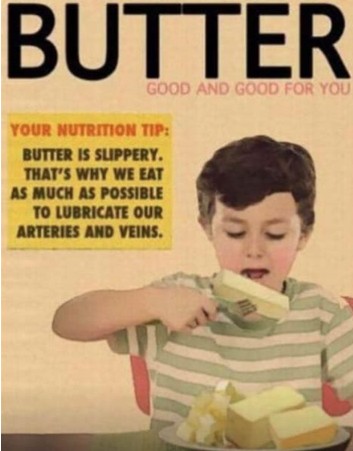
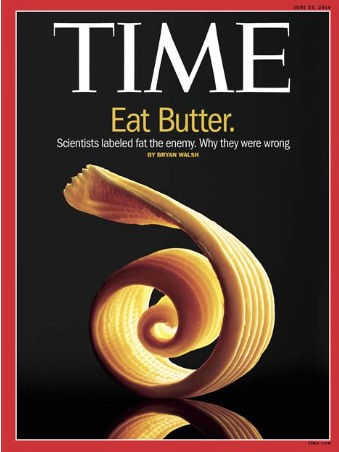
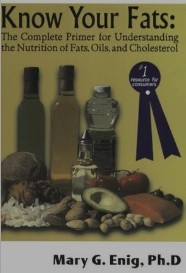
Why Fat is Important - Mary Enig

Carnivore Diet for Healing, Building and Maintaining Hormonal Balance.
Diet change to remove toxic stress from the body is the first step you need to take in order to restore balance with your hormones.
To embark on a journey of healing, it is essential to first alleviate stress, which in turn enables the body to detoxify and restore its natural balance. An animal-based diet plays a crucial role in this process, as it provides the necessary nutrients that support hormonal health. Begin by incorporating high-quality proteins, healthy fats, and vital vitamins found in animal products into your meals. This dietary shift not only fuels the body but also supports the metabolic processes required for hormone regulation. Additionally, consider integrating relaxation techniques such as mindfulness, yoga, or deep-breathing exercises to further reduce stress levels. By making these changes, you create an environment within your body that fosters healing and promotes overall well-being, allowing your hormones to function optimally.
Long Brisk Walks for Supporting Hormone Balance
Engaging in long brisk walks can have a profound impact on female hormones and overall health. These walks act as a gentle massage for the lymphatic system, promoting the circulation of vital nutrients throughout the body. By stimulating the heart's detox processes, regular brisk walking not only enhances cardiovascular health but also contributes to the strengthening of ligaments, bones, and muscles. To fully benefit from these advantages, it is essential to exercise seven days a week at a pace comfortable enough for a brisk walk lasting an hour. This consistent activity supports the healing process, fostering both physical resilience and emotional well-being. Making brisk walking a daily habit can lead to a healthier and more balanced life.
Conclusion

